

Eye surgery happens on a scale measured in fractions of a millimeter. A tiny slip can affect a patient’s vision for life, so every tool on the tray must be precise, light, and reliable. Knowing which instrument used in eye surgery fits each step helps surgeons work with confidence and helps hospitals buy wisely.
What Makes Ophthalmic Instruments Different
General surgical tools are built for strength. Ophthalmic tools are built for delicacy. Every instrument used in eye surgery must be lightweight, finely balanced, and small enough to work under a microscope. Tips are often thinner than a strand of hair, and handles are textured so surgeons can make tiny rotating movements without losing grip.
Speculums and Fixation Tools
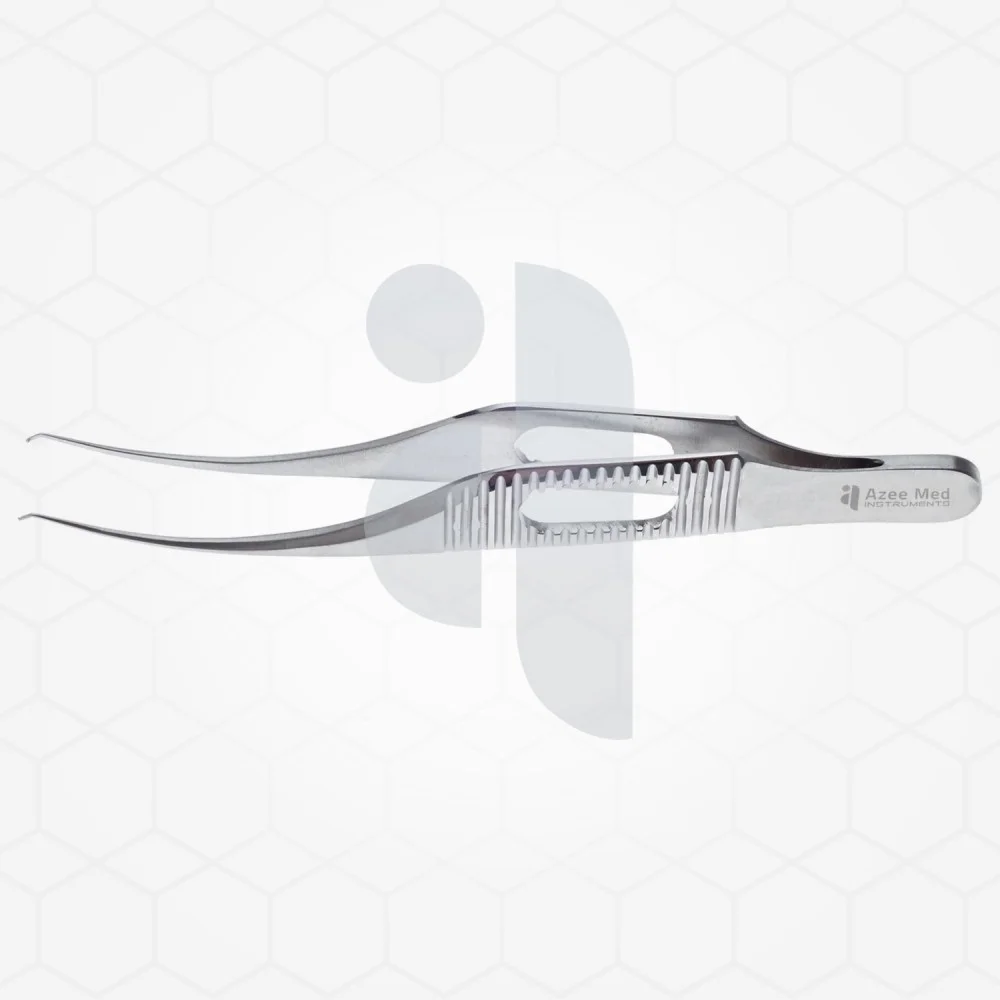
Before any procedure begins, the eye must stay open and steady. The eyelid speculum is usually the first instrument used in eye surgery, gently holding the lids apart throughout the operation. Popular designs include the Barraquer and Lieberman speculums. Fixation forceps, such as Colibri and Thornton patterns, then hold the eyeball steady so the surgeon can make clean, accurate incisions.
Micro Scissors and Fine Forceps
Cutting and grasping tissue inside the eye calls for extreme precision. Vannas scissors make tiny cuts in delicate membranes, while Westcott scissors are a common choice for conjunctival work. McPherson tying forceps help with fine sutures, and Castroviejo needle holders guide needles with steady control. Each instrument used in eye surgery in this group is designed to move smoothly with minimal hand pressure.
Blades and Cataract Tools
Keratomes and crescent knives create small, self-sealing corneal incisions. Utrata forceps help form the capsulorhexis, the circular opening in the lens capsule. Phaco choppers break up the cloudy lens, and lens manipulators position the new intraocular lens. Choosing the right instrument used in eye surgery for each stage helps procedures stay quick and safe.
How to Choose High-Quality Instruments
Quality matters more in eye surgery than almost anywhere else. Look for medical-grade stainless steel or titanium that resists corrosion and survives repeated sterilization. A matte or satin finish reduces glare under bright microscope lights. Tips should line up perfectly, and spring action should feel smooth and even. A poorly made retractor charnley can tear tissue or slow the surgeon down, so price alone should never be the deciding factor.
Conclusion
From speculums and fixation forceps to micro scissors and cataract tools, each piece plays a distinct role in protecting a patient’s sight. When you understand how they work and what quality looks like, building a dependable set becomes simple. When you’re ready to upgrade your ophthalmic trays, choose every instrument used in eye surgery from AzeeMed and work with tools built for precision.